OLIVIANNE KHO
CONTINENTIAL DRIFTS AND TECTONIC PLATES
What is continental drift?
A continental drift is an early thought of how continents moved overtime, though this theory was overruled by the theory of tectonic plates.
nonHow are convection currents caused, and how do they affect the movement of tectonic plates?
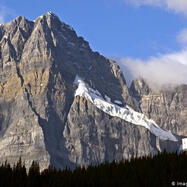
nonConvection currents are caused when heated fluids expand and become less dense causing the liquid to rise. nonWhen the fluid cools it becomes denser which causes it to sink. Since tectonic plates move freely and individually nonthe movement of the fluids cause them to move, which may result to earthquakes, creation of mountains, etc
What are some specific types of movements that can occur at plate boundaries?
There can be three types of categories these movements can be placed into, these include divergent, convergent and transform boundaries. Each of these plate movements cause different effects.
nonDivergent boundaries
nonWhen magma rises from the earth’s mantle causing two or more tectonic plates to separate, this causes oceans to nonwiden their basins and replenishes the oceans floors. On land this movement causes a different effect, troughs are nonformed as the plates are pulled apart.
nonConvergent boundaries
nonConvergent boundaries create mountain ranges as well as cause existing mountains to grow further or may even noncause volcanic eruptions. Under the sea these boundaries can also result in mountain forms emerging.
nonTransform boundaries
nonThis type of movement is when two tectonic plates grind alongside each other, these boundaries don't form oceans nonor mountains but create earthquakes.
PREDICTION SYSTEMS
About VAN system
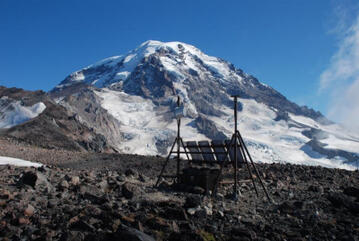
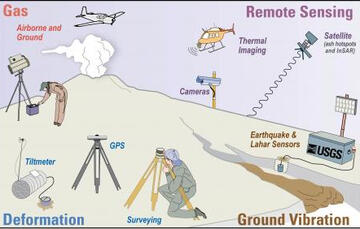
Volcano alert-notifications, also known as VAN is a volcanic eruption precaution. This system indicates the volcano’s activity by phrases or colour codes, e.g green is when the volcano shows no signs of eruption to red meaning eruption is suspected or underway. These predictions are made by looking inside, monitoring temperature, sounds, visuals etc. They use technology which monitors the volcano such as using thermal imaging, satellites, ground vibration, cameras etc.
Records
There are currently no records of success or failure though many volcanoes are under supervision through these systems.
nonWhere is this system in-place and can it be utilised around the world
nonAVO is currently only located in Alaska though this system can be implemented all around the world. They provide nonreal-time webcams, reports and notifications for volcanoes that may concern others, all their information is nonavailable to the public.
HOTSPOTS
.
.
.
.
VISITING COTOPAXI
nonBasic information
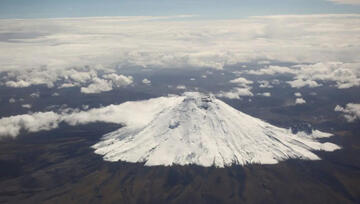
nonCotopaxi is located in South America, central Ecuador. It’s one of the tallest volcanoes in the world with a height of non5911M and an almost symmetrical cone. It has a brutal history of over 50 eruptions. The base and terrain around nonthe volcano have been affected by the eruptions and earthquakes on multiple occasions which in turn cause the nonground to be overlaid in ash or pumice.
nonHow was Cotopaxi formed?
nonThis volcano is considered a stratovolcano, which is considered the most dangerous and picturesque. They are nonformed by effusive eruptions and explosives, it's layers of lava erupting from the creator gradually forming a cone nonshape.
Last eruption and is it safe?
Cotopaxi is still an active volcano with the latest eruption in august 2015. With Cotopaxi still being active Ecuador’s National Geophysical Institute constantly monitors the volcano, if any sign or danger were to occurs loud sirens will play resulting in an evacuation.
nonIdeal visiting times
nonDuring March to May Cotopaxi national park is bound to rain, throughout September to November snow will start nonto fall. Through January and May are the busiest times of the year causing accommodation prices to rise, June is nonan ideal month to visit Cotopaxi.
Procautions
Since Cotopaxi is constantly monitored there is no need to worry for mishaps, though Cotopaxi is cold all year round. Therefore appropriate clothing is ideal.
1906 SAN FRANCISCO EARTHQUAKE AND FIRES
1906 San Francisco earthquake
Located in San Francisco, happened on April the 18th in 1906, the estimated 7.9 magnitude earthquake struck. It lasted less than a minute yet the disaster that struck was one of the U.S’ worst natural disasters. The plates collided and ground against each other causing the earthquake, which is called “transform boundaries”. The major accident resulted in over 3000 deaths and over 225,000 losing homes. Over the next few days San Francisco experienced a number of fires causing more damage than previous days, most of the destruction was blamed on the fires.
San Francisco has recovered from the incident years ago and is now a busy tourist location. If you wish to visit San Francisco it's a perfectly sable location and in no circumstance should you feel in danger.
San Francisco has recovered from the incident years ago and is now a busy tourist location.
2004 INDIAN OCEAN EARTHQUAKE AND TSUNAMI
2004 Indian Ocean earthquake and tsunami
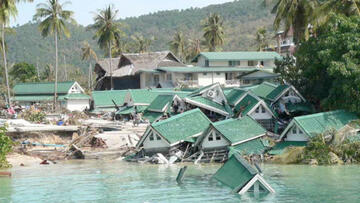
The 2004 Tsunami that hit Sumatra Island, Indonesia on December the 26th was caused by an earthquake under the water. This action resulted in a tsunami hitting the shores of Sumatra Island, the earthquake was said to be a magnitude of 9.1 and was caused by a heavier plate slipping under a lighter plate. This resulted in the ocean floor to rise 40m producing a large tsunami killing 230 000 people. The chaos didn’t stop there, the waves continued into Thailand, Sri Lanka, South Africa and India since then Indonesia has improved their ability to respond to oncoming earthquakes and tsunamis. Indonesia is a tourist location with its last natural disaster being in 2016 but with conditions now Indonesia is nothing but a tourist visit.
Worries
There shouldn't be any precautions you should take visiting Indonesia but depending on the area you would like to visit.
CONTINENTIAL DRIFTS AND TECTONIC PLATES
https://www.nationalgeographic.org/encyclopedia/continental-drift/
https://manoa.hawaii.edu/exploringourfluidearth/node/1348
https://www.nationalgeographic.com/science/earth/the-dynamic-earth/plate-tectonics/
PREDICTION SYSTEMS
https://volcanoes.usgs.gov/vhp/notifications.html
COTOPAXI
https://www.britannica.com/place/Cotopaxi
http://legacy.earlham.edu/~stoneki/geo/siri.htm
https://en.wikipedia.org/wiki/Cotopaxi
https://www.wanderbusecuador.com/when-to-visit-cotopaxi/
1906 SAN FRANCISCO EARTHQUAKE AND FIRES
https://en.wikipedia.org/wiki/1906_San_Francisco_earthquake
https://www.infoplease.com/world/disasters/earthquakes/great-1906-san-francisco-earthquake
2004 INDIAN OCEAN EARTHQUAKE AND TSUNAMI
https://www.worldvision.org/disaster-relief-news-stories/2004-indian-ocean-earthquake-tsunami-facts